
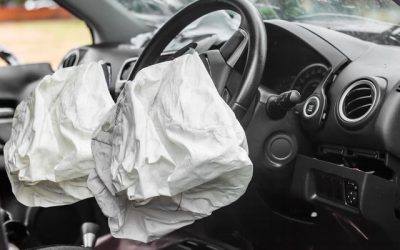
What to Do After a Concussion in a Missouri Car Accident
What you do after a concussion in a Missouri car accident affects not only your health but also the value of your claim. A concussion is a form of traumatic brain injury that can have serious and lasting effects if not properly treated and documented. If the car...

How Medical Records Can Make or Break Your Case
A successful personal injury lawsuit depends on strong, well-documented evidence. Among the most important pieces of that evidence are your medical records. They play a critical role in establishing the extent of your injuries and their impact on your life. To recover...

What is the Average Settlement for a Soft Tissue Injury in Missouri?
If you have suffered a soft-tissue injury in a car accident, such as whiplash, you may have questions about the potential value of your personal injury claim. It depends on the specific facts and circumstances of your accident. At Buchanan, Williams & O'Brien, our...
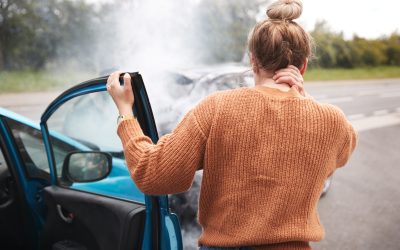
Delayed Symptoms After a Car Accident: What to Look For
The full impact of a car accident may not be immediately apparent. Some injuries, such as concussions, have delayed onset symptoms. This is a significant consideration in a personal injury claim, because you may feel pressure to accept an early settlement before the...
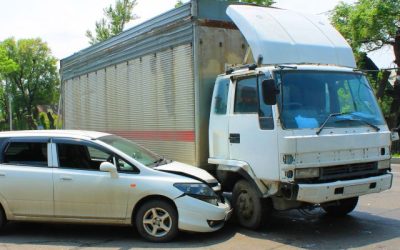
What is a Blind Spot Truck Accident and Who’s at Fault?
In a blind spot truck accident case, determining who is at fault often comes down to proving negligence. This means showing that the truck driver, another motorist, or another responsible party failed to exercise reasonable care on the road, either through their actions or by failing to act, and that this negligence directly caused the collision and resulting injuries. As the injured party, the burden of proof rests with you and your attorney, and building a strong claim begins with gathering evidence that clearly demonstrates how the accident occurred and who was responsible.
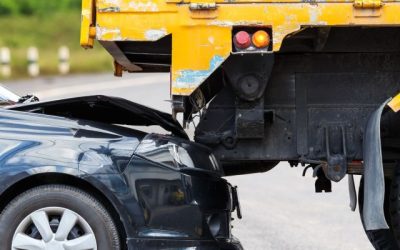
How Underride Truck Accidents Happen
In an underride truck accident case, your ability to recover compensation often depends on proving negligence. This means demonstrating that a truck driver, trucking company, or another responsible party failed to uphold a legal duty of care, either through their actions or failure to act, and that this negligence directly caused the crash and your injuries. As the injured party, the burden of proof rests with you and your attorney, and building a strong claim begins with gathering clear, compelling evidence that shows how the accident occurred and who is responsible.