
Whiplash gets treated as the minor injury of car accident claims, and that reputation is the main thing working against you. The mechanism is real: your head is thrown forward and back faster than the muscles and ligaments in your neck can absorb, and the damage happens to soft tissue that does not show up on an X-ray. Some people recover in a few weeks. Others are still dealing with neck pain, headaches, and limited range of motion a year later, and those are the claims insurers fight hardest, because the treatment is long and the imaging is unremarkable. Below is what determines the value of a Missouri whiplash claim, what documentation carries the most weight, and why the gap between what these claims settle for and what they are worth is usually an evidence problem.
Buchanan Williams & O’Brien has been a trusted law firm serving Missourians for over 40 years.
-
Committed to always treating clients with courtesy and respect
-
Benefit from the unrivaled experience of our statewide team of lawyers
-
Trust the proven success we’ve delivered to clients for decades
Whiplash Car Accident Settlements in Missouri
In truth, there is no reliable “average” whiplash settlement that can tell you what your Missouri car accident claim is worth. Settlement value depends on the specific injury, the evidence supporting it, and the effect it has on your work and daily life.
Insurance companies frequently challenge whiplash claims because these injuries do not always involve broken bones, surgery, or obvious findings on imaging. The absence of those findings does not prove that an injury is minor. Medical records, treatment history, symptoms, work restrictions, and other evidence may show that the crash indeed caused significant losses.
A Missouri car accident attorney from Buchanan, Williams & O’Brien can evaluate those factors and protect your claim from efforts to undervalue it.
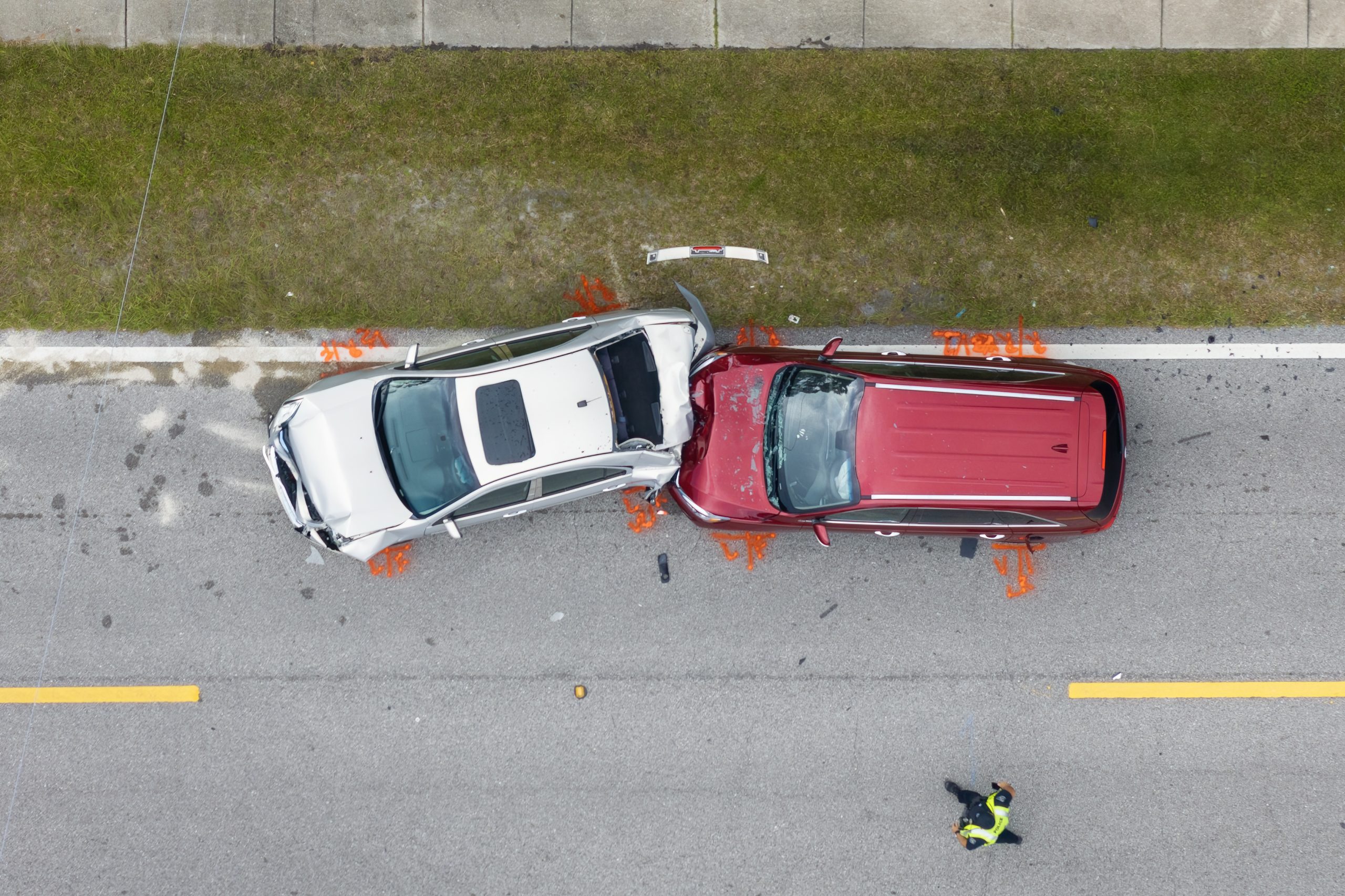
What Determines a Whiplash Car Accident Settlement in Missouri?
A fair settlement should reflect the full effect of the injury, not simply the diagnosis listed in your medical records. Two people with neck pain may receive different settlement amounts because their treatment, recovery, lost income, insurance coverage, and evidence are different.
Important settlement factors include:
- Injury severity and duration: Persistent pain, limited movement, headaches, or nerve symptoms may support greater damages than soreness that resolves quickly.
- Medical treatment: Emergency care, diagnostic testing, therapy, medication, specialist visits, and recommended future care help document the extent of the injury.
- Effect on your work: Missed shifts, reduced hours, restrictions, and diminished earning ability can increase the claim’s value when supported by records.
- Effect on daily activities: Compensation may account for documented problems with driving, sleeping, exercising, childcare, or household tasks.
- Fault for the crash: When responsibility is disputed, the insurer may try to reduce or deny payment.
- Available coverage: The amount and type of insurance available can limit the amount of money that can realistically be recovered.
- Preexisting conditions: A prior neck or back problem does not automatically defeat your claim. The evidence must show whether the collision caused a new injury or aggravated an existing one.
A settlement may include medical expenses, lost wages, reduced earning capacity, future treatment, pain, and loss of normal activities. Medical bills matter, but they do not determine value on their own. The complete record must show what happened, what care was necessary, and how the injury affected you.

Confused about whiplash car accident settlements in Missouri? We are here to answer your questions.
How Does the Grade of a Whiplash Injury Affect Settlement Value?
Medical literature and clinical guidelines often use the Quebec Task Force grading system to describe the severity of whiplash-associated disorders. Although developed in Quebec, it is a widely accepted clinical classification for calculating settlement value. It groups injuries according to reported neck symptoms and physical or neurological findings:
- Grade 0: No neck complaint or physical signs
- Grade I: Neck pain, stiffness, or tenderness without physical signs
- Grade II: Neck symptoms with findings such as reduced movement or point tenderness
- Grade III: Neck symptoms with neurological findings such as weakness, sensory changes, or reduced reflexes
- Grade IV: A fracture or dislocation
The whiplash-associated disorder classification is a clinical tool, not a settlement formula. A grade does not automatically assign a dollar amount to your claim.
A more serious classification may indicate stronger clinical findings or a need for additional treatment. Even so, the insurer must also consider recovery time, work limitations, future care, prior health history, and the consistency of the medical records. A lower-grade injury can still have meaningful value when the evidence shows persistent symptoms and real limitations.

How You Can Document and Protect a Whiplash Claim
Insurance adjusters may argue that your symptoms came from another condition, that treatment was unnecessary, or that a delay in seeking care shows you were not seriously injured. Prompt and consistent documentation limits their ability to make those arguments.
Get medical attention and describe all your symptoms accurately. In addition to neck pain, be sure to report headaches, dizziness, numbness, weakness, sleep problems, and restricted movement you’ve experienced since your accident.
You can also strengthen your claim by:
- Following the treatment plan recommended by your provider
- Attending therapy and follow-up appointments
- Keeping medical bills, receipts, prescriptions, and insurance letters
- Obtaining records of missed work or changes in your duties
- Photographing vehicle damage and visible injuries
- Recording how symptoms affect work and everyday activities
- Avoiding social media posts that could be taken out of context
- Speaking with an attorney before signing a release or giving a recorded statement
Treatment gaps can give the insurer room to question your claim. When a gap occurs because of cost, scheduling, transportation, or work obligations, document the reason.
Our Missouri Car Accident Guide explains additional steps for preserving evidence after a crash.
Missouri law generally allows five years for personal injury actions, but exceptions and shorter deadlines may apply. Waiting can also make medical records, witness information, and other evidence harder to obtain. Missouri Revised Statutes Section 516.120 addresses the general limitations period.

How BWO Protects the Value of Your Settlement
The insurance adjuster does not provide an independent assessment of your losses. The adjuster works for the insurer and is responsible for controlling what it pays.
Buchanan, Williams & O’Brien has represented injured people and working families across Missouri since 1984. With offices in St. Louis, Springfield, and Joplin, our attorneys provide personal attention backed by decades of legal experience.
We can:
- Review the crash evidence and medical records
- Identify all available insurance coverage
- Document medical expenses, lost income, and future losses
- Address arguments involving treatment gaps or prior conditions
- Negotiate with the insurer on your behalf
- Prepare the case for litigation when a fair settlement is refused
You work directly with experienced attorneys who explain your options in plain English. We give you an honest assessment of the claim, build the evidence carefully, and make sure the insurance company understands the risk of refusing to treat you fairly.
Get a Clear Evaluation of Your Missouri Whiplash Claim
Your settlement should be based on your injury and evidence, not an online average or the insurer’s first offer.
Contact Buchanan, Williams & O’Brien for a free injury consultation. You pay no attorney fees unless we recover compensation for you.

See What Our Clients are Saying
Contact Us