We are personal injury attorneys who have achieved results for our clients in Joplin for over 40 years.

A car crash can change your life instantly, and dealing with the aftermath can be just as overwhelming. One of the first questions after an accident is: Who caused it? The answer to this question affects everything—who pays for damages, medical expenses, and whether you receive fair compensation.
At Buchanan, Williams & O’Brien, we have over 40 years of experience helping crash victims in Springfield. We work to uncover the truth and hold the responsible party accountable. Proving fault isn’t always simple. It requires quick action, a strong legal strategy, and sorting through conflicting statements and unclear evidence.
This article explains liability, how Missouri law handles fault in car accidents, and the steps you can take to strengthen your case. Insurance companies may try to shift blame, so acting quickly is critical. If you’ve been injured, don’t wait. Protect your rights from day one—we’re here to help.
Why Proving Fault is Key to Your Springfield Car Accident Case
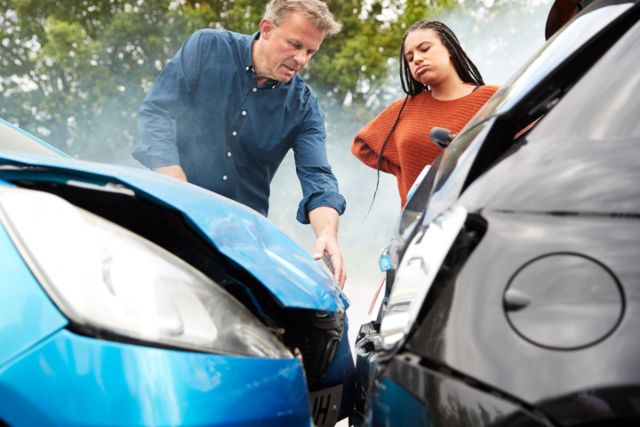
In Missouri, proving fault is critical to recovering damages after a car accident. Under Missouri’s pure comparative fault rule (RSMo § 537.765), the compensation depends on the percentage of fault assigned to each party. Even if you are partially at fault—for example, 30%—you can still recover damages, but that percentage will reduce your compensation.
Here’s why proving fault is so important:
- Medical Bills and Lost Income: If you can’t show the other driver was at fault, you may end up paying for your medical expenses, lost wages, and rehabilitation costs, even if the accident wasn’t mostly your fault. This can be such a burden to bear alone, especially in fatal car accidents.
- Pain and Suffering: Fault determines whether you can recover damages for emotional distress, chronic pain, or other long-term effects of the accident.
- Insurance Companies: Insurers will look for ways to blame you for the accident. They may reduce or deny your claim if you don’t prove the other driver’s fault.
To prove fault, you need strong evidence, such as:
- Police crash reports
- Eyewitness statements
- Photos or videos of the scene
- Expert accident reconstruction analysis
- Vehicle damage assessments or black box data
When your case goes to court, you must prove that the other driver’s negligence caused your injuries. This could mean showing they were speeding, distracted, or violating traffic laws. At Buchanan, Williams & O’Brien, we build strong cases by gathering evidence, consulting experts, and presenting clear arguments to judges and juries.
Don’t leave fault in the air if your accident involves multiple vehicles or a simple fender bender. Contact us as soon as possible so we can secure evidence and strengthen your case.
Steps to Prove Liability
Proving fault after a car accident in Missouri isn’t about blaming the other driver but meeting legal standards for negligence. Missouri follows a pure comparative fault system (RSMo § 537.765), meaning each party’s level of responsibility impacts how much compensation they can receive.
To build a strong case, we follow these steps:
- Gather Evidence from the Scene: We collect crucial details like photos, dashcam footage, vehicle positions, and road conditions. In crashes involving multiple cars or rear-end accidents, small details can make a big difference in determining fault and securing fair compensation.
- Collect Witness Statements: Eyewitnesses help clarify what happened. We identify and interview witnesses early, then document their statements to support your version of events during negotiations or in court.
- Review the Police Report: Police reports often include fault assessments, citations, and diagrams. Insurance companies highly value these reports, which can be used as evidence in court.
- Prove Legal Duty and Breach: Every driver has a legal duty to drive safely. We show how the at-fault driver violated this duty by speeding, failing to yield (according to RSMo § 304.351), or texting while driving, often violating Missouri traffic laws or ordinances.
- Prepare for Negotiation or Trial: Using strong evidence, we present a demand for fair compensation. If the other side refuses to settle, we’ll take your case to court and fight for your rights before a judge or jury.
Following these steps ensures your claim has the strongest possible foundation. You deserve fair compensation, and we’re here to fight for it every step of the way.

The Importance of Eyewitness Testimonies in Proving Fault
Eyewitness testimonies play a key role in personal injury cases by providing firsthand, unbiased accounts that can support your claim. In Missouri car accident cases, proving fault often depends on showing who acted negligently. Independent observations from witnesses can significantly strengthen your case.
Under Missouri’s evidence rules (Missouri Rules of Evidence, Rule 801), courts allow credible eyewitness accounts to prove crucial details such as the status of traffic lights, vehicle speed, driver actions, or road conditions at the time of the accident.
Courts and insurance adjusters give significant weight to this testimony, especially when accompanied by other evidence such as photos, police reports, or medical records.
At Buchanan, Williams & O’Brien, we handle eyewitness testimony with care to build a strong case for you:
- Identifying Reliable Witnesses: We locate individuals who were at the scene of the accident, evaluate their perspective, and confirm their ability to recall events clearly and without bias.
- Conducting Proper Interviews: Our team interviews witnesses neutrally and professionally, avoiding leading or pressuring tactics. This ensures their statements are credible and stand up to scrutiny by insurance companies or in court.
- Supporting Testimony with Evidence: We connect witness accounts with additional evidence such as dashcam footage, surveillance videos, physical crash marks, and police reports. This approach strengthens the reliability of the testimony and makes it harder for insurers or defense attorneys to dismiss your claim.
- Addressing Challenges to Credibility: Not all witness statements are equally strong. Defense teams may question a witness’s memory, point out inconsistencies, or suggest bias. We thoroughly review each statement, anticipate potential challenges, and prepare counterarguments to protect your case.
When handled properly, eyewitness testimony can make all the difference in proving fault and securing fair compensation for your injuries. Let us guide you through this process.
How We Protect Your Claim When Dealing with Insurance Companies
After a car accident, dealing with insurance companies can be as challenging as recovering from injuries. At Buchanan, Williams & O’Brien, we handle the insurance process so you can focus on your recovery without worrying about paperwork, denials, or frustrating phone calls.
Here’s how we protect your rights and ensure fair compensation:
Building Strong, Well-Documented Claims
Missouri law (RSMo § 375.1007) requires insurance companies to handle claims fairly and promptly. We strengthen your claim by gathering all necessary evidence, including medical records, repair bills, wage loss calculations, expert opinions, and police reports. This ensures your claim is complete and minimizes the chances of delays, underpayments, or denials.
Calculating Accurate Damages
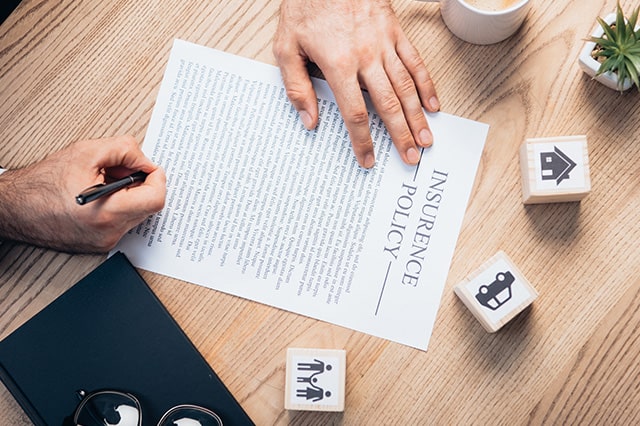
Missouri law allows accident victims to recover economic damages, such as medical bills and lost wages, and non-economic damages, such as pain and suffering. We calculate your claim to include your current and future expenses, especially if you require long-term medical care or face a permanent injury.
Negotiating with Legal Experience
Insurance adjusters often try to reduce payouts by claiming you share fault for the accident under Missouri’s comparative negligence law (RSMo § 537.765). We use detailed evidence and expert testimony to challenge unfair fault assignments. We negotiate aggressively to ensure you receive the compensation you deserve.
Preparing for Trial When Necessary
Although most claims are settled out of court, we prepare every case as if it will go to trial. Missouri law (RSMo § 516.120) allows you five years to file a personal injury lawsuit, but we use our readiness to litigate as leverage to secure fair settlements without unnecessary delays. Insurers know we are prepared to take your case to court if needed.
With over four decades of experience, we understand insurance companies’ tactics and know how to counter them. You do not have to face the insurance process or legal challenges alone.
Navigating the Claims Process
Once liability is established, you still have to navigate the often-complex claims process. At Buchanan, Williams & O’Brien, we’ve streamlined this process into clear steps to keep you informed and confident:
- Documentation and Evidence Gathering: We compile all relevant documents, from medical bills to employer statements about lost wages. Organized records are crucial for presenting a compelling case to insurers.
- Calculating Your Damages: Damages aren’t just about hospital bills. We factor in lost earning capacity, future therapies, emotional distress, and any permanent disability that might affect your quality of life.
- Submitting the Demand Letter: Once we have a solid grasp of your damages, we draft a demand letter laying out your case and specifying your compensation.
- Negotiation: Insurance representatives typically respond with an offer or a list of questions to reduce liability. We negotiate firmly, using evidence and professional input to push for a fair settlement.
- Considering Settlement vs. Litigation: Not every case goes to trial, but we prepare thoroughly as if it will. Insurers often prefer to avoid a lawsuit if they see we’re serious about fighting for you in court. For more insights on securing fair compensation, check out this resource.
- Finalizing the Settlement or Going to Court: If negotiations reach an impasse, we can file a lawsuit and represent you before a judge or jury. You won’t have to handle any part of the litigation alone—we guide you every step of the way.
Throughout this process, we keep you informed, so you always understand your options and can decide whether to accept a settlement or take your case to trial. We prioritize maximizing your compensation while making the experience as stress-free as possible.
Next Steps After Proving Liability
Knowing who is at fault is just the beginning. Once we’ve established liability, we determine the extent of your losses and push for fair compensation. Our approach typically involves:
- Assessing Damages: We work with medical and financial professionals to calculate the full scope of your economic and non-economic losses.
- Negotiating with Insurers: We present substantial evidence of liability to increase the likelihood of a favorable settlement offer. We escalate the matter if the insurance company refuses to offer fair value.
- Preparing for Litigation: We approach every case as if it may go to trial. This preparation strengthens your negotiating position and ensures we’re ready for court if needed.
- Exploring Alternative Dispute Resolution: Sometimes, mediation or arbitration can be more efficient. We weigh the pros and cons of these options to see if they fit your situation.
- Filing a Lawsuit: If we can’t reach a fair settlement, we proceed with formal litigation. Our seasoned trial attorneys have a strong record in Missouri courts, and we’re prepared to advocate zealously on your behalf.
Whether we’re finalizing a settlement or proceeding to trial, we aim to ensure you have the resources and peace of mind to move forward with your life. You shouldn’t be left to shoulder the financial and emotional burdens of someone else’s negligence.
Get the Legal Edge You Need—Start with Buchanan, Williams & O’Brien
A car accident can leave you injured, stressed, and unsure of what to do next. That’s where we can help. At Buchanan, Williams & O’Brien, we have over 40 years of experience helping clients in Springfield achieve results. We build strong cases using solid evidence, innovative legal strategies, and dedicated advocacy.
We do more than handle the paperwork. From the moment you contact us, we work to prove fault, challenge insurance tactics, and secure the maximum compensation you deserve. We also work on a contingency fee basis, so you don’t pay anything unless we win your case.
Don’t let the insurance company decide your future. Call us today for a free consultation. We’ll discuss your case, explain your options, and fight for your desired outcome.
Take action. Get answers. Secure results. Contact Buchanan, Williams & O’Brien now.

Contact Us