We are personal injury attorneys who have achieved results for our clients in Joplin for over 40 years.

Public transportation is vital for many Joplin residents, offering convenient travel options through buses, shuttles, and other transit vehicles. Unfortunately, accidents do happen, and these incidents can result in serious injuries and extensive medical bills.
At Buchanan, Williams & O’Brien, we understand how overwhelming this experience can be. We draw on more than 40 years of experience in personal injury law to protect your rights, fight for fair compensation, and guide you through each step of the legal process.
Injuries can arise from sudden stops or collisions with other vehicles. As an injured passenger, you have legal rights, primarily if the accident resulted from negligence or unsafe conditions. Our skilled attorneys are here to stand up for your interests, determine who is at fault, and work to pursue the compensation you deserve.
We want you to know you’re not alone, and if you decide to pursue a claim, we are prepared to stand beside you every step of the way. Contact us today to schedule a free initial consultation.
Common Causes of Public Transportation Injuries
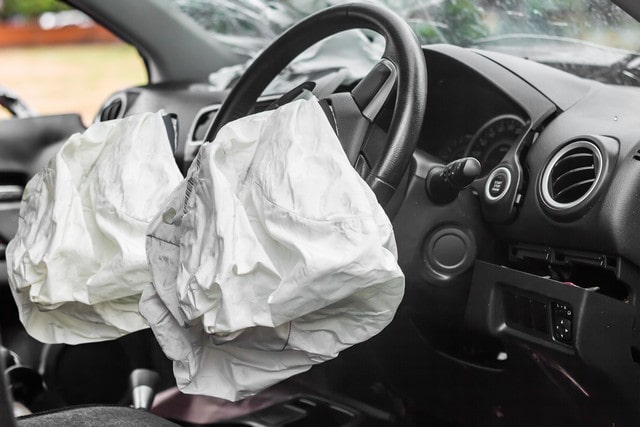
At Buchanan, Williams & O’Brien, we recognize that multiple factors contribute to public transportation accidents. We have helped numerous clients navigate claims involving different scenarios, including the following:
Vehicle Accidents
Public transportation injuries can occur from collisions and might result from:
- Driver Error: Even with extensive training, bus and train operators can become distracted, fatigued, or fail to follow basic traffic rules. The National Highway Traffic Safety Administration (NHTSA) notes that up to 94% of motor vehicle accidents in the United States are caused by driver errors.
- Mechanical Failures: Poor maintenance and defective parts can trigger hazardous malfunctions on the road or tracks.
- Adverse Weather Conditions: Habitually wet or icy roads and rails increase the likelihood of accidents through impaired braking and visibility. According to the NHTSA, about 50% of crashes occur due to slick roads.
When these accidents occur, passengers can face life-altering injuries. Our legal team knows how to investigate each factor, pinpoint liability, and pursue the financial recovery you deserve.
Sudden Stops or Starts
Public transportation vehicles often make abrupt stops to adapt to traffic. These rapid movements can cause passengers to lose their balance, leading to falls, whiplash, or collisions with other passengers and objects. Older people and those with mobility issues are vulnerable in these situations.
Inadequate Safety Measures
Transit authorities owe passengers a high duty of care. Unfortunately, this responsibility is sometimes overlooked, resulting in:
- Slippery floors
- Lack of proper handrails or grab bars
- Insufficient lighting in stations or vehicles
- Malfunctioning doors or steps
These issues can be life-threatening, especially for passengers with limited mobility. For example, Title II of the Americans with Disabilities Act of 1990 (ADA) requires state and local governments to give people with disabilities the opportunity to benefit from all of their programs, services, and activities and, therefore, prohibits discrimination based on disability in public transportation services. Moreover, the ADA ensures public transportation is inclusive and usable for everyone, including people with disabilities.
Overcrowding
During peak hours, buses and trains can become dangerously packed. Overcrowding worsens the risk of injuries and can lead to pushing, resulting in difficulty exiting during emergencies.
Driver Negligence
We rely on public transport operators to follow the law, remain sober, and focus on passenger safety. Unfortunately, some engage in negligent or reckless behaviors, such as:
- Driving under the influence of drugs or alcohol
- Texting while operating a vehicle
- Failing to properly secure wheelchair passengers or those with special needs
- Aggressive driving
The Insurance Information Institute (III) provides more information on the prevalence of these behaviors. For example, in 2022, the III recorded close to 7,000 instances where driving under the influence of drugs or alcohol resulted in fatal crashes.
We recommend visiting the National Highway Traffic Safety Administration (NHTSA) website for additional information on transportation safety and accident prevention. To know more about local transit incidents and crash reports, visit the Missouri State Highway Patrol’s online database. This resource highlights the frequency and nature of accidents in Joplin and throughout Missouri.
Your Rights as an Injured Passenger
As a passenger on public transportation, you place your trust in the transit agency and the vehicle operator. When that trust is breached, it’s essential to know your rights.
Generally, passengers are not considered at fault for accidents on public transportation. This strengthens your position when you seek compensation for medical expenses, lost wages, etc.
Moreover, public transportation authorities are treated as “common carriers,” meaning they’re legally obligated to provide transportation services to the public without discrimination and to exercise a high level of care. They can be held accountable if they fall short by maintaining vehicles poorly, hiring unfit drivers, or failing to fix unsafe conditions.
Finally, common injuries from public transportation accidents often include:
- Whiplash and neck injuries
- Back and spinal cord damage
- Broken bones and fractures
- Traumatic brain injuries
- Cuts, bruises, and soft tissue injuries
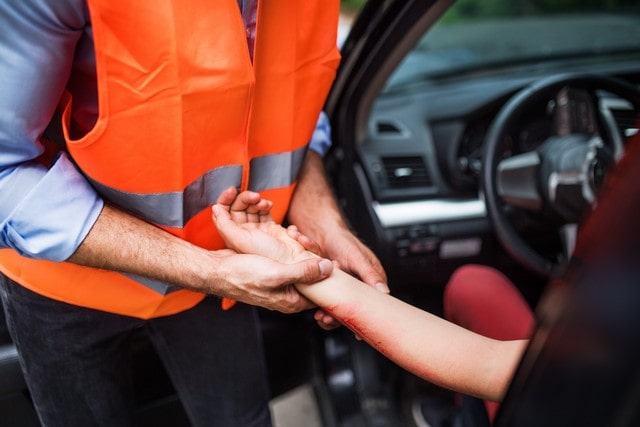
Steps to Take After an Injury
Injuries from a bus, shuttle, or other mass transit vehicle can leave you disoriented. To safeguard your health and legal rights, we recommend the following steps:
- Seek Medical Care: Even if you don’t feel hurt, visit a doctor. Timely documentation is essential for any claim.
- Document the Accident: Take photos of the scene, your injuries, and any damage to personal belongings. Gather contact information from witnesses. Keep copies of tickets or passes from your journey.
- Report the Incident: If possible, notify the transit operator and file an official report. Request a copy of any documentation for your records.
- Preserve Evidence: Retain torn or bloodstained clothing, medical receipts, or any items related to the incident.
- Be Mindful of Statements: Remain calm. Redirect any inquiries to your legal team. At Buchanan, Williams & O’Brien, we’re ready to handle all communications with insurance companies, gather and preserve evidence, and build a strong case so you can focus on recovery.
These steps may feel intimidating while dealing with pain and stress, but our experienced team is here to help you navigate them. This guide from the Insurance Information Institute (III) can also be a valuable resource for added insights.
Filing a Public Transportation Injury Claim
Filing a claim against public transportation can be complex in part due to unique rules for government entities.
Here is how we typically approach this process at Buchanan, Williams & O’Brien:
- Thorough Investigation: We gather every detail—police reports, maintenance records, video footage, witness statements—to establish liability and prove negligence.
- Reporting Deadlines: We manage timelines to ensure your claim remains valid. According to the Revised Statutes of Missouri 516.120, in Missouri, the statute of limitations for most personal injury claims is five years from the date of the incident.
- Calculating Damages: We factor in all losses, including immediate hospital bills, ongoing rehabilitation, lost wages, diminished earning capacity, and pain and suffering.
- Negotiation: Receiving compensation often involves negotiating with insurers or government representatives. Our experience helps us secure fair settlements or proceed to trial if needed.
- Litigation if Necessary: We’re prepared to take your case to court when negotiations stall. Our trial attorneys have a longstanding record of success in front of judges and juries.
Our primary goal is to ensure that your voice is heard and your rights remain protected.
How Buchanan, Williams & O’Brien Can Support You
After a traumatic event, the idea of a complex legal process may feel daunting. We understand you need clarity and support. At Buchanan, Williams & O’Brien, we have spent decades refining strategies to help injured victims secure fair settlements and verdicts. Additionally, we take pride in delivering personal attention and unwavering advocacy for every client, especially those facing injuries from public transportation accidents.
We believe in individualized attention, compassion, and communication. Our skilled attorneys are ready to treat your case with the importance it deserves. You are never just another file. Additionally, we keep you informed at every turn, promptly answering questions so you can focus on your recovery.
You shouldn’t have to face complex claims, uncooperative insurance companies, or intimidating government entities alone. We aim to shoulder your legal burdens, fight back against insurance tactics, and see you compensated for medical costs, lost wages, and ongoing suffering.
We invite you to contact us and schedule a consultation. During this complimentary meeting, our attorneys can discuss your accident, evaluate potential liability, and explain the legal steps ahead. Let us help you get the compensation you deserve.

See What Our Clients are Saying
Contact Us